The Rise of Mobile Commerce
How smartphones reshaped shopping: the convenience, personalization and new retail models driving mobile commerce, and what comes next.
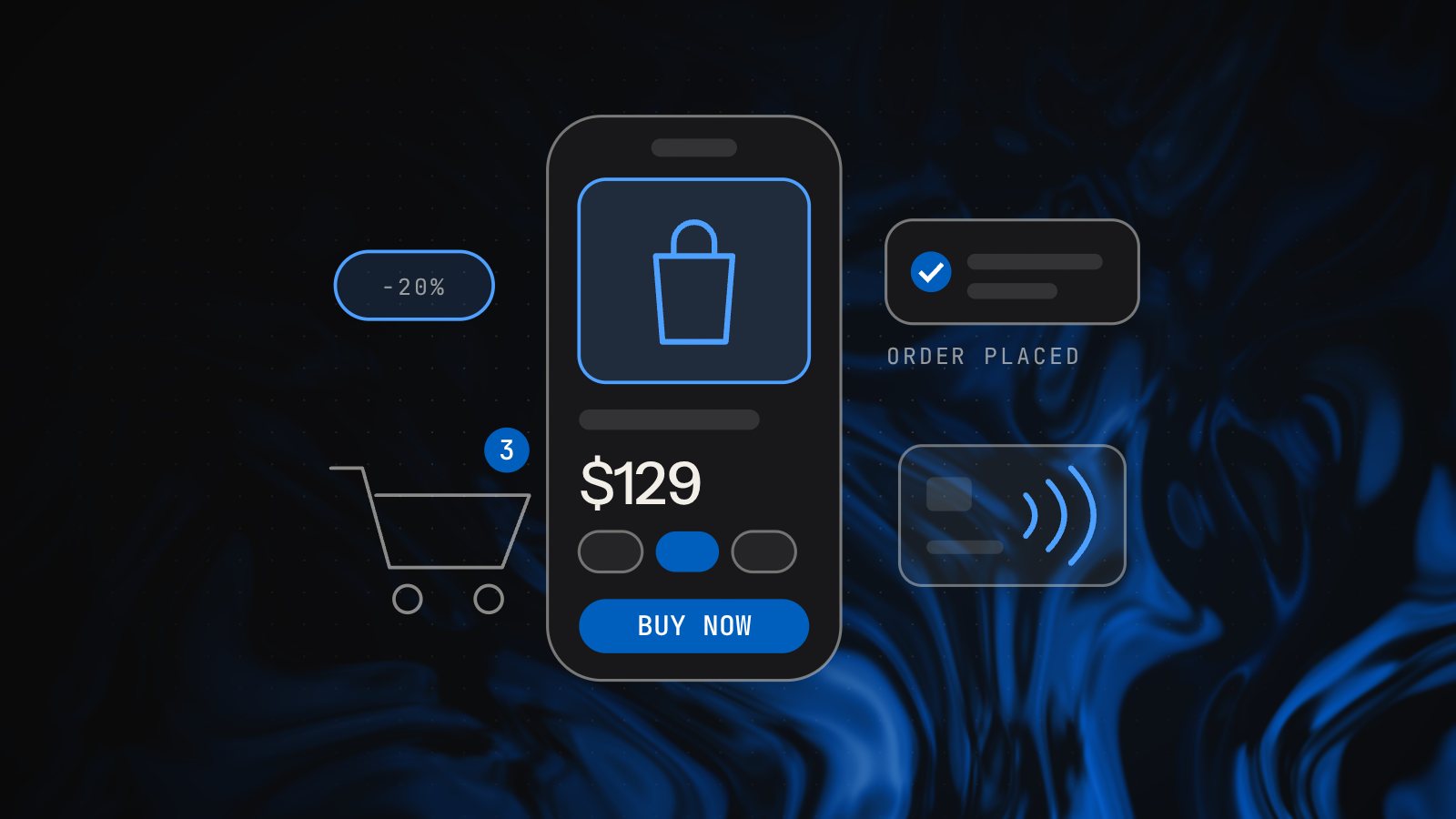
The transition towards mobile commerce, often shortened to m-commerce, is reshaping our approach to shopping and conducting business. The availability of smartphones and tablets empowers us with capabilities to shop, explore, and access services with ease.
Smartphones have increased this trend. Viewed as indispensable for more than just communication, these devices now serve as centers of entertainment and productivity. As technology has progressed, smartphones have morphed into robust tools providing broad internet functionalities, multimedia capabilities, and a vast range of applications, from critiquing cuisine to engaging in gaming adventures. This versatility explains why more of us depend on our phones not only for casual browsing but for fulfilling our shopping needs, whether to assess prices, scrutinize product reviews, or directly purchase from wherever we might find ourselves.
The essence of m-commerce lies in its unparalleled convenience and accessibility, altering our global perspective on shopping. This digital shift permits us to make purchases anytime and from anywhere, free from the geographical and time constraints of traditional storefronts. Whether caught in morning traffic, getting a quick lunch, or relaxing at home on a Sunday, we can tap into a worldwide market at our fingertips.
What distinguishes mobile commerce is how it adapts the shopping experience to each individual. Simple, intuitive interfaces, instant purchasing capabilities, and customized recommendations make the process considerably streamlined. Behind the scenes, these platforms utilize sophisticated data analytics and machine learning to analyze user behaviors and preferences, devising promotions that not only enhance the shopping experience but also foster stronger customer connections and loyalty.
Additionally, m-commerce evens out the playing field for retailers, especially benefiting small businesses and entrepreneurs. Through platforms designed for social commerce and mobile marketplaces, these smaller players can swiftly establish an online presence, showcase their wares, and engage with potential customers globally, without the overhead of physical stores or large advertising expenditures. This democratization of retail, exemplified by platforms such as Shopify, allows smaller ventures to compete on an equal footing with major market players, encouraging a surge of innovation and entrepreneurial activity.
However, the impact of mobile commerce extends beyond mere convenience; it has profoundly transformed consumer expectations and behaviors. Today, we are more connected and informed than ever. The omnipresence of social media, along with the influence of online reviews and influencer endorsements, plays a pivotal role in shaping our purchasing decisions.
This blending of the digital and physical shopping realms has prompted retailers to adopt mobile technologies, offering flexible shopping options like in-store pickups, curbside deliveries, and even same-day delivery services. Such integrations not only enhance customer convenience but also boost traffic to physical stores and foster a relationship between different shopping channels.
Looking forward, m-commerce stands on the brink of further innovations. With the advent of 5G, integrating technologies like augmented reality (AR), virtual reality (VR), and artificial intelligence (AI) into mobile commerce is set to redefine the shopping experience further, making it more interactive and immersive. Additionally, advancements in voice commands, social commerce, and mobile payments are reshaping interactions and transactions, opening new avenues for growth and exploration in the realm of mobile commerce.
Conclusion
The advancement of mobile commerce signifies a significant shift in the consumer and business spheres. Its convenience, accessibility, and personalized approach have not only made it an integral part of our daily lives but also a catalyst for continued innovation and growth. As technology evolves and consumer expectations shift, embracing and adapting to mobile commerce is imperative for any business aiming to remain competitive and relevant in this rapidly changing landscape.