Creating Next-Gen iOS Applications
How Swift, SwiftUI, Core ML, the Network framework and ARKit come together to build fast, intelligent and immersive next-generation iOS apps.
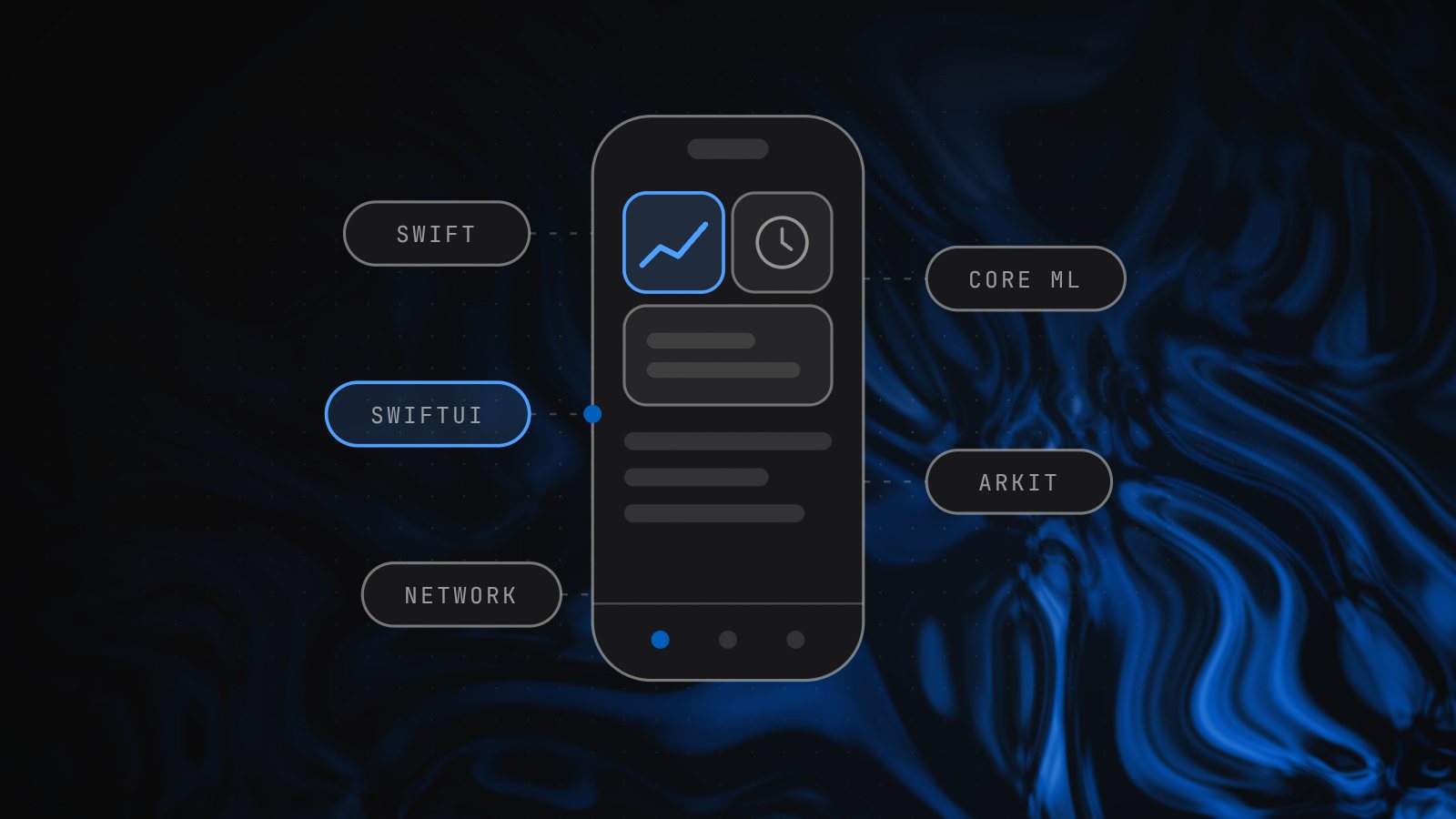
In the fast-evolving world of iOS app development, constant technological progress and changing user preferences are the norm. For developers aiming to build top-tier iOS applications, leveraging its cutting-edge technologies to craft compelling user experiences is crucial.
Optimizing iOS App Performance with Swift
Swift, crafted by Apple, serves as a cornerstone for developing high-performance iOS apps. Distinguished by its safety features, swift execution times, and contemporary syntax, Swift is tailored to create responsive and secure applications. Notably, Swift’s superior error handling and emphasis on protocol-oriented programming empower developers to produce stable, modular code.
Revolutionizing UI Design with SwiftUI
SwiftUI, an innovative framework for UI development, enables developers to construct intricate interfaces with reduced code. It naturally integrates features like Dynamic Type, Dark Mode, and localization, streamlining the design process across various device types. For instance, SwiftUI proves invaluable in apps requiring flexible UIs that adapt to user interactions or environmental changes.
Enhancing App Functionality with Core ML
Core ML, Apple’s machine learning framework, elevates iOS app capabilities by facilitating advanced features such as predictive typing, image recognition, and natural language processing. For example, a health and fitness app might employ machine learning to analyze user behavior patterns and provide tailored exercise recommendations, enriching the user experience.
Improving Connectivity with Network Framework
Apple’s Network Framework provides a robust alternative to conventional networking APIs, supporting protocols like TCP, UDP, and TLS. This framework aids in crafting secure and efficient network interactions within apps. Applications that require real-time capabilities, such as multiplayer games or collaborative platforms, benefit immensely from these advanced networking features.
Blending Digital and Physical Realities with ARKit
ARKit allows developers to merge digital elements with the physical world by offering augmented reality tools. This technology empowers iOS apps to deliver immersive and interactive user experiences. For example, a retail app might use AR to show how a furniture item would look in a customer’s home, aiding them in making better-informed purchasing decisions.
Keeping Apps Current with the Latest iOS Features
Modern apps must integrate the latest iOS features, such as widget support, App Clips, and enhanced privacy measures. Regular updates to include these innovations ensure compatibility and optimal use of new technologies.
Conclusion
Creating cutting-edge iOS apps requires a thorough understanding of contemporary technological advances and user expectations. By harnessing the capabilities of Swift, SwiftUI, Core ML, Network Framework, and ARKit, developers can craft sophisticated, effective, and user-centric iOS apps. As iOS technology progresses, staying abreast of Apple’s updates and incorporating them into app development is critical for maintaining a competitive advantage.