Ensuring Scalability in Mobile App Development
Architecture, database, load balancing, caching and monitoring strategies that keep a mobile app fast and reliable as it grows.
As more users come on board and workloads grow, applications must scale efficiently while maintaining their performance and reliability. This capability is essential for their success. It consequently plays a crucial role in determining an application’s success. Whether you’re just starting out or already experienced, understanding the importance of scalability and implementing strategies to ensure it can make a noteworthy difference in your mobile app’s success. Imagine you’ve created a sleek, user-friendly mobile app that’s gaining popularity faster than you anticipated. The number of users starts skyrocketing, your app slows, features start crashing, and users are frustrated. Varying strategies can be implemented to prevent poor scalability.
Flexible Architecture: Mobile apps must be designed to grow and adapt as needed. Take a social media app, for instance. At first, you might start with basic features like posting updates and sharing photos. As your app gets more popular, in-demand features such as messaging, live streaming, or e-commerce can be added.
Efficient Database Management: Efficient database management is essential for handling large volumes of data and supporting scalability. Scalable database solutions like SQLite or Core Data enable developers to store and retrieve data while maintaining performance efficiently. WhatsApp, for example, relies on SQLite for its messaging database, ensuring smooth performance even with billions of messages exchanged daily.
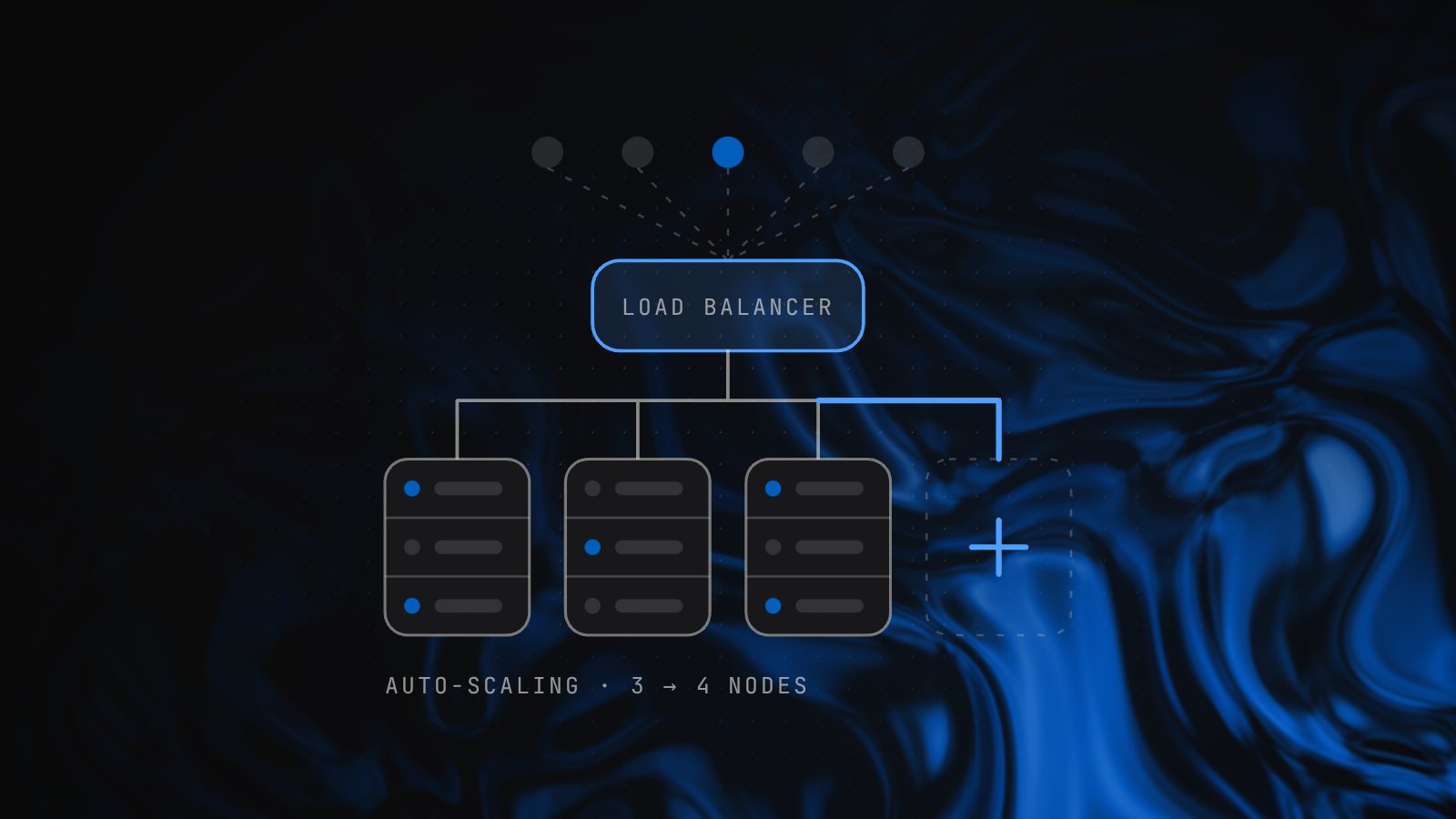
Load Balancing and Distribution: Load balancing distributes workload evenly across multiple servers or instances, which ensures scalability and high availability. Developers can prevent server overload and optimize resource utilization by implementing load balancers such as NGINX or Amazon Elastic Load Balancing (ELB). To maintain uninterrupted viewing for millions of users, Netflix applies load-balancing strategies to handle its substantial streaming traffic.
Scalable Infrastructure: Investing in a scalable infrastructure is paramount for accommodating growth and spikes in user traffic. Cloud platforms like AWS, Google Cloud, or Microsoft Azure offer scalable computing resources, storage, and networking services that seamlessly scale based on demand. For instance, Pokémon GO leverages the Google Cloud Platform to support its massive player base, allowing for dynamic scaling of server resources during peak usage periods.
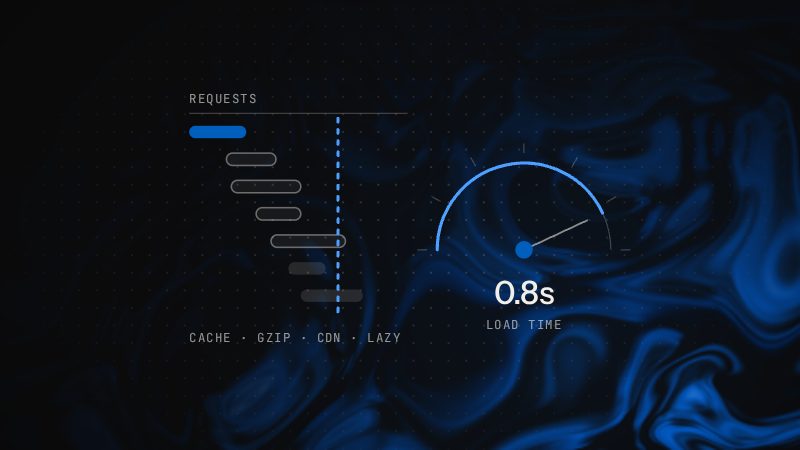
Caching and Content Delivery Networks (CDNs): Implementing caching mechanisms and leveraging CDNs can significantly improve app performance and scalability by reducing latency and offloading server bandwidth. By caching frequently accessed data or using CDN services like Cloudflare or Akamai, developers can deliver content more efficiently to users worldwide. Twitter uses CDNs to quickly deliver tweets and media content to users, ensuring a seamless browsing experience even during peak usage times.
Asynchronous Processing: Incorporating asynchronous processing techniques, such as message queues or event-driven architectures, can enhance scalability by decoupling components and allowing for parallel task execution. Platforms like RabbitMQ or Kafka enable developers to implement asynchronous communication between app components, improving responsiveness and scalability. Airbnb utilizes Kafka for real-time event processing, enabling seamless scalability of its booking platform to accommodate millions of users worldwide.
Continuous Monitoring and Optimization: Continuous monitoring and optimization are essential for proactively identifying performance bottlenecks and scaling issues. Monitoring tools like New Relic or Datadog enable developers to track app performance metrics in real time and identify areas for improvement. By analyzing data and making iterative optimizations, developers can ensure that their mobile apps remain scalable and performant over time.
Conclusion
Ensuring scalability in mobile application development is necessary to meet users’ dynamic needs and support app growth and success. Implementing flexible architectures, efficient database management practices, and scalable infrastructure solutions allows mobile apps to seamlessly handle the increased workload and user traffic while maintaining performance and reliability. Monitoring and adjusting app performance to optimize it is critical to achieve scalability and long-term success.